Have you ever paused while applying your favorite lipstick or sweeping on that perfect eyeshadow and wondered, “How is this actually made?” The world of cosmetics is one of artistry, science, and meticulous precision. At Qianlan Cosmetics, as a dedicated Cosmetic Manufacturer, we believe that understanding the journey from raw ingredient to the finished product in your hand deepens the appreciation for the craft. It’s a fusion of chemistry, creativity, and rigorous quality control. Let’s pull back the curtain on the fascinating, multi-stage process of cosmetic manufacturing.
Every great product begins not in a lab, but with an idea. It could be a trending color, a novel texture (like a cream blush that feels like silk), or a specific skincare benefit (think foundation with hydrating serums). At Qianlan, our marketing, creative, and R&D teams collaborate to define this vision. What is the target audience? What need does it fill? What is the desired sensory experience—should it be weightless, matte, luminizing?
Once the concept is clear, our Research and Development chemists take the helm. This is where the magic of formulation begins. A makeup formula is a complex, stable mixture of various ingredients, each serving a specific function. They work with a palette of raw materials, which can be broadly categorized:
- Base/Vehicle: This is the foundation of the product. For a liquid foundation, it might be water, oils, or silicones. For a powder eyeshadow, it’s typically talc or mica.
- Colorants: This is what provides the pigment. These can be inorganic minerals (like iron oxides for reds, browns, and yellows, or chromium oxide for greens) or organic, synthetically produced lakes. A Cosmetic Manufacturer must ensure all colorants are approved for use in the intended market (e.g., by the FDA in the USA or the EU regulatory body).
- Functional Ingredients: These provide the product’s characteristics. Binders hold powders together (in an eyeshadow compact). Emollients (like plant oils or esters) provide slip and spreadability. Preservatives prevent microbial growth and ensure product safety over its shelf life. Specialty additives include SPF actives, light-diffusing particles, or skincare stars like hyaluronic acid and vitamins.
Creating a stable, safe, and high-performing formula is a painstaking process of trial, error, and refinement. A chemist might create dozens of prototypes before achieving the perfect balance of color payoff, blendability, wear-time, and feel.
Sourcing with Scrutiny: The Ingredient Supply Chain
A Cosmetic Manufacturer is only as good as its raw materials. Once a formula is finalized, the procurement process begins. Qianlan Cosmetics places immense emphasis on responsible sourcing. This involves:
- Vendor Qualification: We vet suppliers rigorously, assessing their quality control systems, ethical sourcing practices, sustainability credentials, and compliance with regulations (like REACH in Europe).
- Ingredient Purity and Safety: Every batch of raw material arrives with a Certificate of Analysis (CoA) detailing its purity, composition, and confirmation that it’s free from contaminants like heavy metals or harmful microbes.
- Sustainability: Where possible, we prioritize sustainable, naturally-derived, or recycled materials. This includes ethically sourced mica, biodegradable glitter alternatives, and post-consumer recycled (PCR) packaging components.
The Heart of the Operation: The Manufacturing Process
This is where the formula comes to life at scale. A modern cosmetic manufacturing facility is a blend of high-tech automation and skilled human oversight. The process varies significantly by product type.
1. For Liquids, Creams, and Emulsions (Foundation, Lip Gloss, Moisturizer):
This is often about creating a stable emulsion—a perfect marriage of oil and water that doesn’t separate.
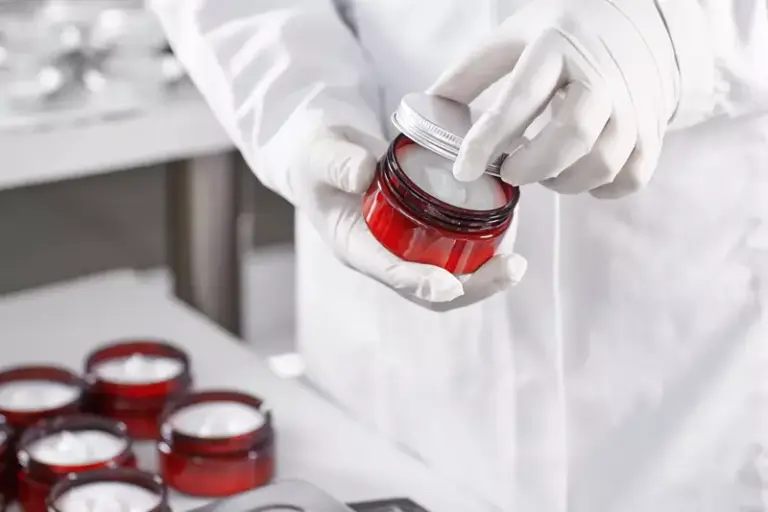
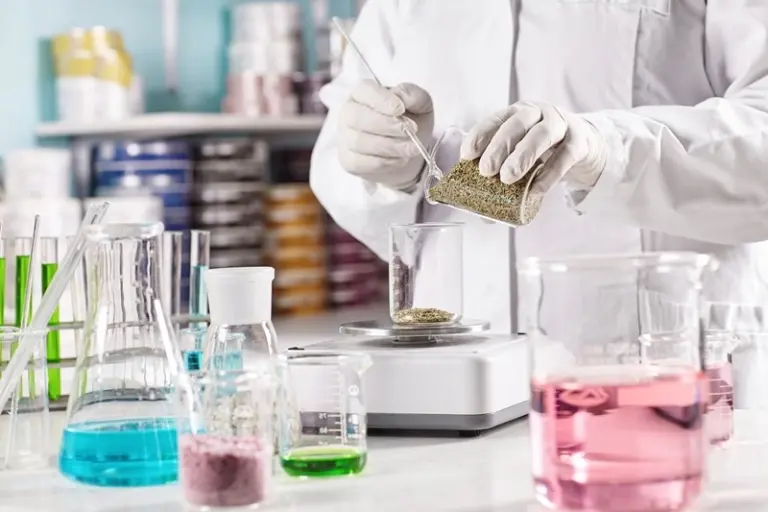
- Weighing and Pre-Mixing: Ingredients are precisely weighed in a clean room environment. Water-soluble ingredients are mixed in one vessel, oil-soluble in another. This includes dissolving pigments in the oil phase, which is critical for smooth, streak-free color.
- Heating and Homogenization: The phases are heated to a specific temperature to melt solid components (like waxes in a lipstick) and then combined. The mixture is then passed through a high-shear homogenizer or mill, a machine that uses tremendous force to break down particles and blend the phases into a uniform, silky-smooth emulsion. This step is crucial for the texture and stability of your liquid foundation or cream blush.
- Cooling and Deaeration: The batch is cooled under controlled conditions, sometimes with slow stirring. Vacuum may be applied to remove any trapped air bubbles, ensuring the product is perfectly smooth.
2. For Pressed Powders (Eyeshadow, Blush, Face Powder):
- Dry Mixing: All dry ingredients (talc, mica, color pigments) are blended together in a large powder mixer. This must be incredibly thorough to ensure absolute color consistency—you don’t want one pan of eyeshadow to be slightly different from the next.
- Wet Binding: A binding agent (often oils, silicones, or esters) is sprayed as a fine mist onto the dry mix while blending. This “wet” mixture helps the powder adhere together later.
- Pressing: The damp powder is fed into a pressing machine. An automated press stamps the powder into a pan with significant tonnage of pressure. The correct pressure is an art; too little and the powder will be crumbly, too much and it becomes a hard, unyielding cake.
3. For Lipsticks and Lip Balms:
- Melting and Mixing: Waxes, oils, butters, and pigments are combined and melted together in a kettle.
- Milling: The molten mixture may be passed through a roller mill to ensure all pigment aggregates are broken down for seamless, non-grainy color.
- Molding: The liquid is poured into chilled metal molds, usually shaped as the lipstick bullet. It is quickly cooled to set.
- Flaming: A classic step for high-quality lipsticks: the set bullet is briefly passed through a flame to melt the very surface, creating a glossy, finished look and a smooth application.
Quality Control: The Non-Negotiable Guardian of Safety
A responsible Cosmetic Manufacturer has quality control (QC) integrated into every single step. QC is the backbone of the industry, ensuring every product is safe, effective, and consistent.
- In-Process Checks: During manufacturing, technicians constantly check parameters like temperature, viscosity, pH, and color match against a standard.
- Stability Testing: Before launch, products undergo rigorous stability tests. They are stored in different conditions (e.g., at 4°C, 25°C, 40°C) for months to guarantee the formula, color, and smell don’t degrade. This is how we determine the Period After Opening (PAO) symbol (the open jar icon with 6M, 12M, etc.).
- Microbial Testing: Products are tested to ensure they are free from harmful bacteria, yeast, and mold, both at the time of manufacture and that the preservative system remains effective over time.
- Performance and Challenge Testing: Does the foundation apply evenly? Does the mascara smudge? Does the lipstick last through a meal? Trained panels and in-vitro tests put products through their paces.
- Final Product Inspection: Every batch of finished product is sampled and tested against all final specifications before it is approved for sale.
Filling, Assembly, and Packaging
Once the formula is approved, it moves to filling. Automated filling machines, often in sterile, clean-room environments, dispense precise amounts into containers—bottles, jars, compacts, or lipstick cases. This is followed by capping, labeling, and secondary packaging (like the outer carton).
At Qianlan Cosmetics, we view packaging as part of the product experience and our environmental responsibility. We work to minimize waste, use recyclable materials, and design packaging that protects the integrity of the formula inside.
The Final Hurdle: Regulatory Compliance and Labeling
A Cosmetic Manufacturer must navigate a complex web of global regulations. Every ingredient must be permitted in the destination country. The product label is a legal document that must include, in the correct order: a list of ingredients (INCI names), net quantity, business address, and any necessary warnings. Compliance teams work tirelessly to ensure every box is ticked before a product ships.
The Qianlan Cosmetics Difference: Our Commitment as a Manufacturer
As a Cosmetic Manufacturer, our role at Qianlan Cosmetics extends beyond mere production. It’s about stewardship:
- Innovation with Purpose: We invest in R&D not just for new colors, but for better, cleaner, more sustainable formulations.
- Transparency: We believe in demystifying the process, just as we are doing in this article. Knowing what’s in your products and how they’re made is a right.
- Ethical Production: From our supply chain to our factory floor, we are committed to fair, safe, and responsible practices.
- Quality as a Creed: We never cut corners. The relentless pursuit of quality and safety is embedded in our company culture.
Conclusion: More Than Makeup—A Symphony of Science and Art
The next time you hold a cosmetic product, know that it represents the culmination of a vast, coordinated effort. It’s the chemist’late-night formulation work, the QC technician’s meticulous eye, the precision of multi-ton presses, and the vision of designers and marketers. It is a tangible piece of applied science designed to deliver joy, confidence, and creativity.
At Qianlan Cosmetics, we are proud to be the Cosmetic Manufacturer behind that process. We are the alchemists in lab coats, the engineers of elegance, and the guardians of quality, dedicated to transforming the finest raw materials into the products that help you express your unique beauty. From our facility to your vanity, it’s a journey we undertake with the utmost care, passion, and responsibility.